Jazz Artists Who Defined the Foundations
The global jazz landscape is based on the work of artists who have penned the language and created enduring standards. Their enduring perspectives helped shape perception, education, and the rigid professionalism that continues to govern the art form to this day. The historical institutional backdrop can also provide copyright protection and fair treatment to the creative work itself.
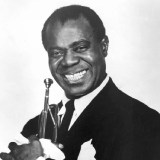
Louis Armstrong and the Birth of Jazz as Art Music
Louis Armstrong transformed jazz from ensemble-based entertainment into a soloist’s art form. His phrasing, tone, and improvisational confidence established a template still studied worldwide. Beyond music, Armstrong’s recordings helped legitimize jazz as a serious cultural expression deserving institutional support and preservation.
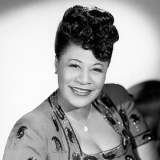
Ella Fitzgerald and the Standardization of Vocal Jazz
Ella Fitzgerald’s mastery of timing, pitch, and scat singing redefined what the jazz voice could achieve. Her interpretations of the Great American Songbook contributed to the standardization of repertoire, creating shared reference points that festivals, educators, and licensing bodies continue to rely on today.
Modern Jazz Artists Expanding the Genre
Contemporary jazz artists operate in a more regulated and interconnected music industry. Digital distribution, international touring standards, and festival contracts shape how artists reach audiences while ensuring fair compensation and rights management. This environment has allowed innovation to flourish alongside accountability.

Herbie Hancock and Jazz Fusion
He rejuvenated acoustic jazz through a potent blend of funk and electronic sounds, thereby proving the genre's power to evolve while still retaining its own identity. His career perfectly embodies the responsibility of professionalism married with experimentation; he has demonstrated his dedication to artist rights, education, and the institutional growth of music.

Esperanza Spalding and Genre Fluidity
Esperanza Spalding represents a generation unafraid of blending jazz with classical, soul, and spoken word. Her work highlights how modern jazz artists navigate intellectual property, cross-genre collaboration, and audience expectations while maintaining artistic independence.
Jazz Festivals as Cultural Anchors

Jazz festivals play a critical role in sustaining the ecosystem around the music. They provide regulated performance environments, transparent ticketing, and contractual standards that protect both artists and audiences. Festivals also act as educational hubs, introducing new listeners to the genre in accessible ways.
Montreux Jazz Festival and Global Prestige
Founded in Switzerland, the Montreux Jazz Festival has become a benchmark for quality and professionalism. Its programming blends jazz legends with contemporary artists, ensuring continuity while adhering to high production and organizational standards that safeguard artist welfare.
Newport Jazz Festival and Historical Continuity
The Newport Jazz Festival in the United States is one of the longest-running jazz festivals in the world. Its commitment to historical preservation, archival recording, and fair artist representation makes it a model for how festivals can honor tradition while adapting to modern expectations.
🎺 Regional Jazz Festivals Worth Knowing 🎺
Beyond the most famous events, regional festivals contribute significantly to jazz’s health and diversity. These festivals often focus on local scenes while meeting international norms for safety, licensing, and artist contracts. Together, they form a decentralized network that supports sustainable growth.
North Sea Jazz Festival and Scale
Held in the Netherlands, the North Sea Jazz Festival is known for its large-scale programming and organizational rigor. Its size allows for genre diversity while maintaining clear scheduling, audience protections, and technical standards that benefit performers and attendees alike.
Tokyo Jazz Festival and Cross-Cultural Exchange
Tokyo Jazz Festival highlights the global reach of jazz, showcasing both Japanese and international artists. Its emphasis on cultural exchange reflects how jazz functions as a shared language, supported by careful planning and respect for artistic rights across borders.
❔ What Makes a Great Jazz Festival ❔
Regardless of location and line up, the most heartfelt festivals contain certain common core principles, such as: an effective organization to make sure the audience is cared for and respect that the artist must be given a contract to perform while offering these lesser-known artists a stage-serious great competitive jazz line-up. Visibility, clarity, honesty, and genuine support for jazz as an art and culture are always combined with good music.
Below we list some key things that distinguish a leading festival from any other average festival.
- Fair announcement of artist contracts and artist agreements
- Transparent ticketing policy with consumer protection
- Programming that involves a mix of fresh and established artists
- Educational segments or lectures
These are aspects of longevity for the festival as an important cultural event and help further invoke its cause as a cultural institution or something other than a sideshow.
The Ongoing Role of Jazz in Contemporary Culture
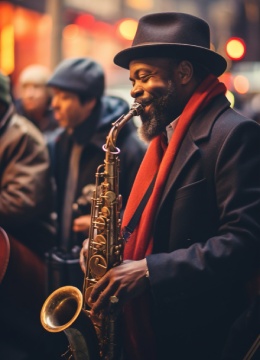
Jazz has survived ever since the beginning because each time it changes it always respects its past. In another phase, festivals provide the regulated platforms essential for great forays, making that foray a smash hit with audiences.
Education and Mentorship Through Performance
Many jazz festivals and artists prioritize education, offering masterclasses and youth programs. These initiatives help pass down technical skills and ethical standards, ensuring the next generation understands both the creative and professional responsibilities of being a jazz musician.
Jazz as a Model for Creative Freedom
Jazz demonstrates how structured systems and creative freedom can coexist. Clear rules around performance, rights, and compensation allow artists to take risks on stage, knowing their work is respected and protected.
Why Jazz Artists and Festivals Still Matter
The continued success of jazz artists and festivals shows how cultural traditions survive through care, regulation, and community support. By valuing both artistic expression and professional standards, the jazz world offers a model for sustainable creativity. Its leading artists and festivals remind us that music thrives best when freedom and responsibility move in step.
The Rhythm That Endures
Jazz has never relied on trends alone. Its strength comes from artists who innovate with purpose and festivals that provide trustworthy platforms for their work. Together, they ensure jazz remains a living, evolving art form that respects its past while confidently engaging with the present.